Engineering Compliance and Operational Readiness
The Ambulance Preparation Package
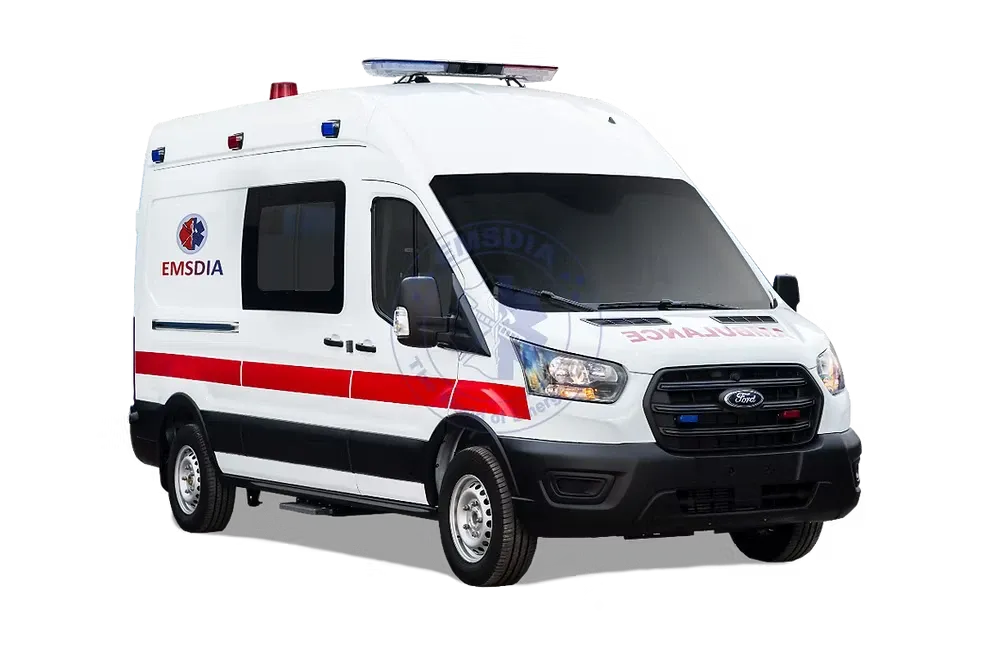
“ The Ford Transit V363 Ambulance Preparation Package is one of the few factory-integrated chassis solutions on the market that combines a 220A high-output alternator, dual heavy-duty battery system, and a standardised CAN-Bus interface connector in a single, warranty-protected package. The platform delivers EN 1789-ready technical architecture, engineering depth, and supply chain efficiency that few competing chassis programmes can match. Whether you are specifying a lightweight urban Type B ambulance, a heavy-duty Type C intensive care unit, or an AWD field ambulance for off-road operations across Africa, Asia, or Eastern Europe, the Ford Transit V363 offers a factory-engineered starting point that reduces conversion time, protects OEM warranties, and lowers the Total Cost of Ownership across the full asset lifecycle.”
For EMS fleet managers, vehicle traders, and procurement specialists across Europe, Africa, the Middle East, Asia, and the Americas, the Ford Transit V363 serves as a mission-critical asset. Powered by the 2.0L Ford EcoBlue turbodiesel engine (available from 105 to 185 PS, with a mild-hybrid option), the Ford Transit is purpose-built for the demands of emergency medical operations.
Beyond its standard commercial utility, the factory-integrated Ambulance Preparation Package provides the essential technical and electrical foundation required for professional ambulance conversion. Managed through Ford Pro Special Vehicles, this package ensures that converters receive a chassis that is pre-engineered for the rigours of EN 1789-compliant ambulance duty.
1. Technical Compliance & Electrical Resilience
For those drafting technical specifications, the Ambulance Preparation Package ensures the vehicle functions as a reliable mobile power platform, capable of supporting high-intensity medical equipment:
- Heavy-Duty Power Generation: A factory-fitted 220A high-output alternator handles the continuous electrical load of advanced ICU equipment, digital telemetry, and emergency lighting without system fatigue. This is the heavy-duty option for the 2.0L EcoBlue engine; standard vehicles are equipped with a 165A unit.
- Redundant Energy Storage: The Dual Heavy-Duty Battery system isolates the engine starter battery from the auxiliary battery. This configuration ensures reliable cold-start performance in extreme Balkan and Nordic winters while maintaining uninterrupted power to life-support systems during on-scene treatment.
- Non-Invasive Integration: The High Specification Vehicle Interface Connector provides a standardised gateway to the vehicle’s CAN-Bus network. This allows medical converters to integrate complex electronics without splicing original wiring harnesses, thereby protecting the factory warranty and reducing future electrical faults. Full pinout documentation is available in the Ford BEMM (Body and Equipment Mounting Manual), accessible via the Ford Pro Special Vehicles portal or the VCAS (Vehicle Converter Advisory Service) at VCAS@ford.com.
2. Strategic Logistics & Regional Production
From a commercial and trading perspective, the Ford Transit offers a logistical advantage that is unmatched in the region:
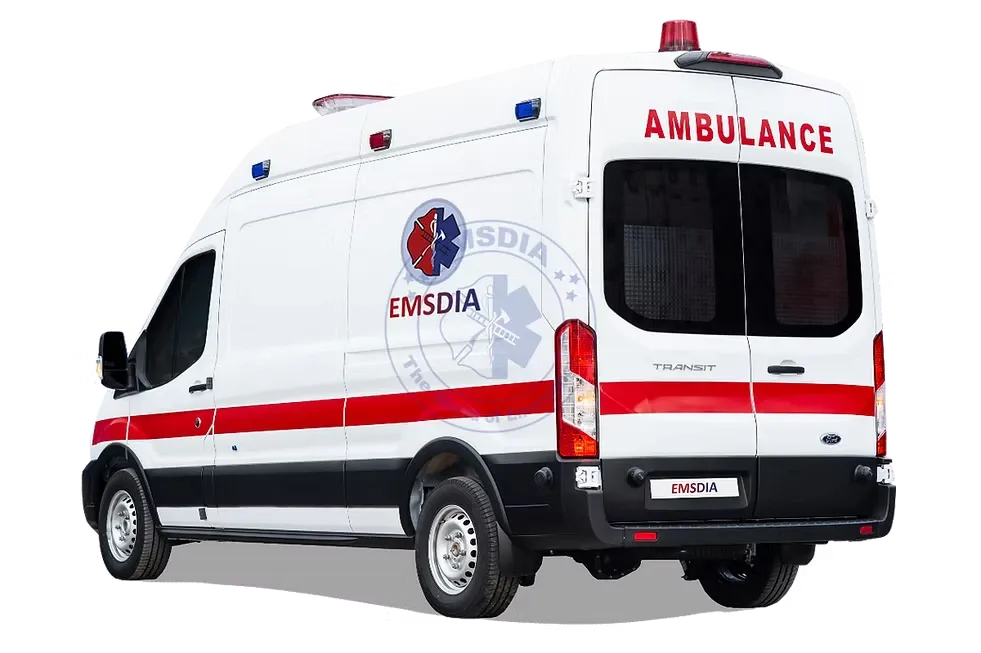
Ford Otosan — Global Transit Hub: The Kocaeli compound in Turkey (Gölcük and Yeniköy Plants) has served as the lead global production centre for the Transit since 2004, with a combined annual capacity exceeding 612,000 units as of 2025. Both plants have been recognised by the World Economic Forum’s Global Lighthouse Network for advanced Industry 4.0 manufacturing.
Turkish R&D Leadership: The Ford Otosan Sancaktepe R&D Centre in Istanbul is the largest single-location automotive R&D centre in Turkey and one of Ford’s major global engineering hubs. With over 1,300 R&D engineers, the centre possesses full capability to design, develop, and test a complete vehicle from scratch. The 2.0L EcoBlue diesel engines powering the European Transit are manufactured at Ford’s Dagenham Diesel Centre in the United Kingdom — the company’s largest diesel engine facility globally — and shipped to Kocaeli for final vehicle assembly.
Supply Chain Proximity: For European and Balkan ambulance converters, sourcing ambulance-prepared chassis from Kocaeli delivers shorter lead times, direct engineering access, and logistical proximity that OEMs shipping from other continents cannot match.
3. FWD, RWD or AWD: Which Drivetrain is Right for Ambulance Conversion?
Selecting the right drivetrain is critical for balancing operational capability with cost-efficiency. The European Transit is available with front-wheel drive (FWD), rear-wheel drive (RWD), and all-wheel drive (AWD), offering flexibility unmatched in the segment:
Weight-to-Payload Efficiency: Ford’s AWD system is engineered for lightness, maintaining a superior payload margin compared to heavy, traditional 4x4 systems. This allows converters and traders to offer Type B and C ambulances with more medical equipment without exceeding Gross Vehicle Weight (GVW) limits.
Proactive Stability: The system provides intelligent torque management, essential for maintaining control in high-centre-of-gravity medical vehicles during emergency manoeuvres on winding or unpaved routes common across Eastern Europe and the Balkans.
4. Commercial Viability & Asset Lifecycle (TCO)
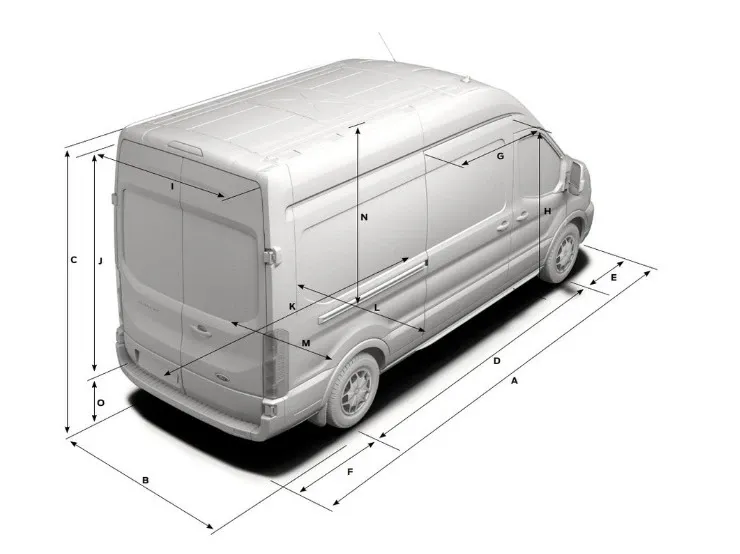
| Code | Dimension | Measurement |
|---|---|---|
| Roof type | High | |
| A | Overall length | 5,981 mm |
| B | Overall width (mirrors excluded – included) | 2,059 – 2,474 mm |
| C | Overall height range * | 2,682 – 2,769 mm |
| D | Wheelbase | 3,750 mm |
| E | Front overhang | 1,023 mm |
| F | Rear overhang | 1,208 mm |
| G | Sliding door opening width | 1,300 mm |
| H | Sliding door height | 1,600 mm |
| I | Rear door loading width | 1,565 mm |
| J | Rear door height | 1,887 mm |
| K | Maximum load length | 3,533 mm |
| L | Maximum load width | 1,784 mm |
| M | Width between wheel arches | 1,392 mm |
| N | Maximum load height | 2,025 mm |
| O | Load floor height range * | 608 – 695 mm |
| P | Maximum load volume | 12.4 m³ |
| Front / rear track width | 1,732 – 1,743 mm |
* May vary depending on vehicle load condition.
The Ambulance Preparation Package is more than a technical specification; it is a financial strategy to lower the Total Cost of Ownership (TCO):
- Factory Heat Management: The Auxiliary Fuel Port allows for the clean installation of independent cabin heaters (Webasto/Eberspächer). This avoids aftermarket fuel tank modifications, preventing common corrosion issues and warranty disputes.
- Operational Readiness: Software-integrated features like High Idle Control and Engine Run-Lock allow the engine to power the medical cabin while the vehicle is locked, ensuring thermal and electrical stability for patients during on-site treatment.
- Resale & Liquidity: Chassis identified by the official factory ambulance preparation code command higher residual values and are significantly more liquid in the professional second-hand market compared to standard vans converted post-purchase.
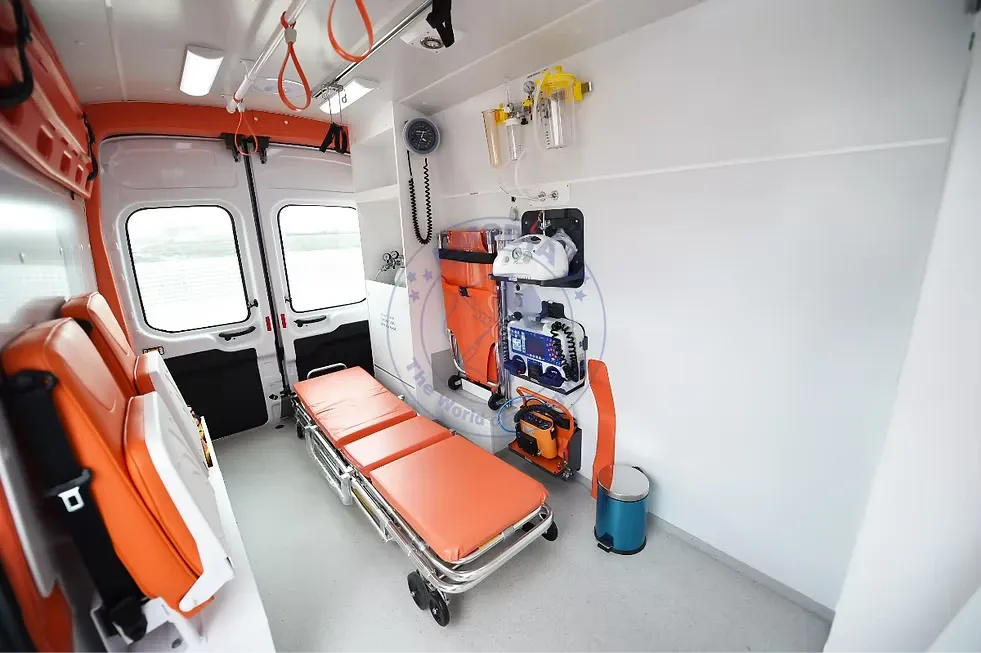
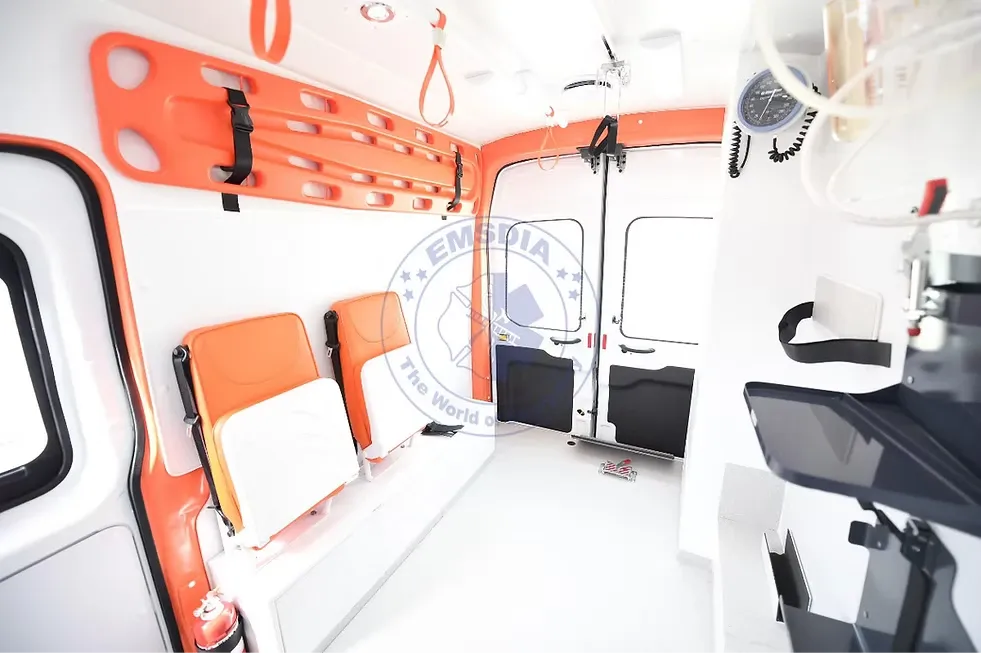
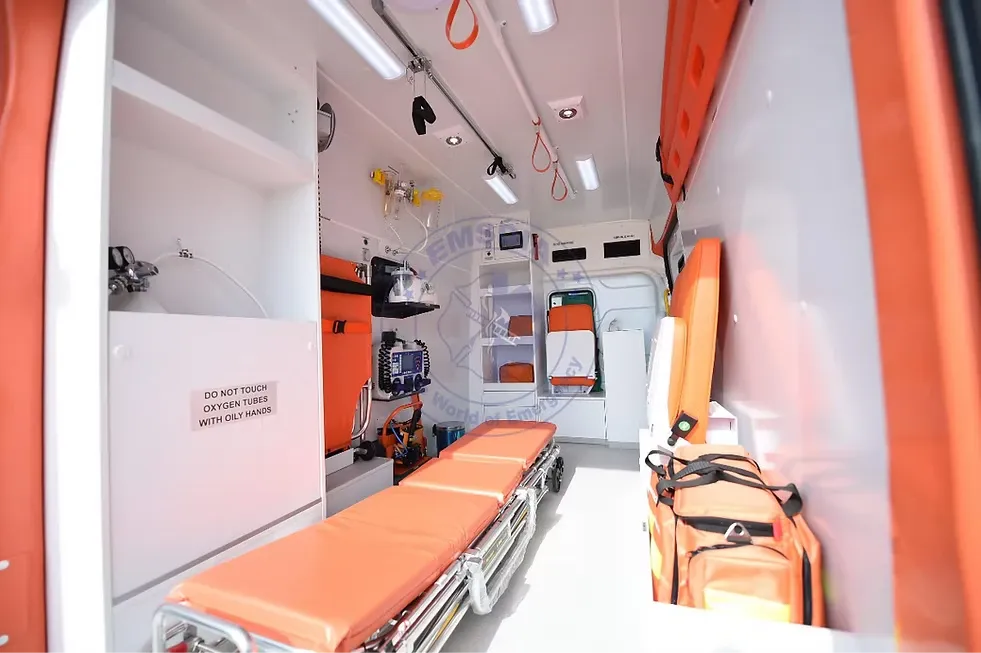
FAQ - Frequently Asked Questions
What is the Ford Transit Ambulance Preparation Package?
The Ford Transit Ambulance Preparation Package is a factory-integrated option, managed through Ford Pro Special Vehicles, that pre-engineers the Transit V363 chassis for professional ambulance conversion. It includes a 220A high-output alternator, dual heavy-duty battery system, High Specification Vehicle Interface Connector, auxiliary fuel port, High Idle Control, and Engine Run-Lock — providing the electrical, thermal, and structural foundation required for EN 1789-compliant Type B and C ambulance builds.
Is the Ford Transit EN 1789 compliant for ambulance conversion?
The Ford Transit V363 with the Ambulance Preparation Package is pre-engineered to support EN 1789-compliant conversion. The package provides the factory-certified electrical architecture, chassis calibration, and CAN-Bus integration points required by professional ambulance converters. Final EN 1789 certification is achieved by the converter upon completion of the build.
What alternator does the Ford Transit ambulance preparation include?
The Ambulance Preparation Package includes a factory-fitted 220A high-output alternator, which is the heavy-duty option for the 2.0L EcoBlue engine. Standard Ford Transit vehicles are equipped with a 165A unit. The 220A alternator is designed to handle the continuous electrical load of ICU equipment, digital telemetry, and emergency lighting without system fatigue.
Should I choose FWD, RWD or AWD for a Ford Transit ambulance conversion?
The choice depends on the operational environment. FWD offers the lightest configuration and maximum payload margin, making it ideal for urban Type B ambulances where GVW compliance is critical. RWD provides stronger load-carrying dynamics for heavier Type C builds. AWD delivers intelligent torque management for off-road and mixed-terrain emergency operations common across Eastern Europe, the Balkans, Africa, and inland Asia, while maintaining a superior payload margin compared to traditional 4x4 systems.
What is the Total Cost of Ownership advantage of the Ford Transit Ambulance Preparation Package?
The Ambulance Preparation Package reduces TCO in three key areas. First, the factory-fitted auxiliary fuel port enables clean installation of independent cabin heaters such as Webasto or Eberspächer without aftermarket fuel tank modifications, eliminating corrosion risk and warranty disputes. Second, software-integrated features such as High Idle Control and Engine Run-Lock reduce operational wear. Third, chassis carrying the official ambulance preparation code command higher residual values and are significantly more liquid in the professional second-hand market compared to standard vans converted post-purchase.
Ford Transit vs Mercedes Sprinter: which is better for ambulance conversion?
The Ford Transit V363 and the Mercedes-Benz Sprinter are both world-class ambulance platforms with proven track records across national EMS fleets on every continent. Both manufacturers offer dedicated factory ambulance preparation packages, established converter support programmes, and AWD capability. The Sprinter brings a deeply established global converter ecosystem, a mature aftermarket parts network, and widespread technician familiarity that makes it a reliable choice for operators in virtually any market. The Transit V363 offers Kocaeli-based production proximity and a factory-integrated preparation package managed through Ford Pro Special Vehicles that makes it particularly compelling for procurement specialists operating across challenging terrains in Eastern Europe, the Balkans, Africa, and inland Asia.
For procurement specialists, the right choice depends on the operational theatre, the target market’s service network, and the converter’s certification infrastructure. Both platforms are capable of delivering world-class ambulances when properly specified and converted, and both continue to set the benchmark for emergency medical vehicle engineering globally.
Conclusion
The Ford Transit V363 Ambulance Preparation Package represents the intersection of Turkish engineering leadership and global operational demands. The platform delivers a level of supply chain proximity, technical depth, and factory-integrated ambulance architecture that competing chassis programmes struggle to match.
For healthcare providers, traders, and fleet managers operating across Europe, Africa, the Middle East, Asia, and the Americas, the ambulance-prepared Transit is more than a vehicle. It is a commercially sound, technically validated platform that ensures operational continuity in the mission to save lives.
Technical References & Compliance Verification
To ensure technical accuracy and procurement transparency, the following official sources and international standards have been referenced in this analysis:
Official Manufacturer Documentation
Ford Pro Special Vehicles (Europe): Technical specifications and converter integration directives for Transit V363 Ambulance Preparation Package. Available at fordpro-specialvehicles.com. Contact: VCAS@ford.com.
Ford BEMM (Body and Equipment Mounting Manual): EU-specific edition, including High Specification Vehicle Interface Connector pinout documentation. Contact: VCAS@ford.com.
Ford Otosan: Engineering and R&D Reports on Heavy-Duty Chassis Development (Kocaeli Plants, Turkey). Ford Dagenham Diesel Centre (UK): EcoBlue engine production data. Sources: fordotosan.com.tr, media.ford.com.
International Medical & Safety Standards
EN 1789:2020+A1:2023 — Medical vehicles and their equipment — Road ambulances (European Standard, current edition with Amendment 1 incorporating electric ambulance provisions).
ISO 3833 — Road vehicles — Types — Terms and definitions.
ECE R10 — Electromagnetic compatibility of automotive electronic products.
Engineering Guidelines
BEMM (Body and Equipment Mounting Manual): Ford Europe Technical Integration Guide, EU-specific edition.
Euro NCAP: Commercial Van Safety Performance and ADAS Evaluation Reports.
Regional Industrial Norms
DIN 13232 — Emergency medical equipment — Emergency outfits (German Industrial Standard).
TSE (Turkish Standards Institution): Vehicle conversion and modification directives for regional compliance.
Ambulances by EMSDIA
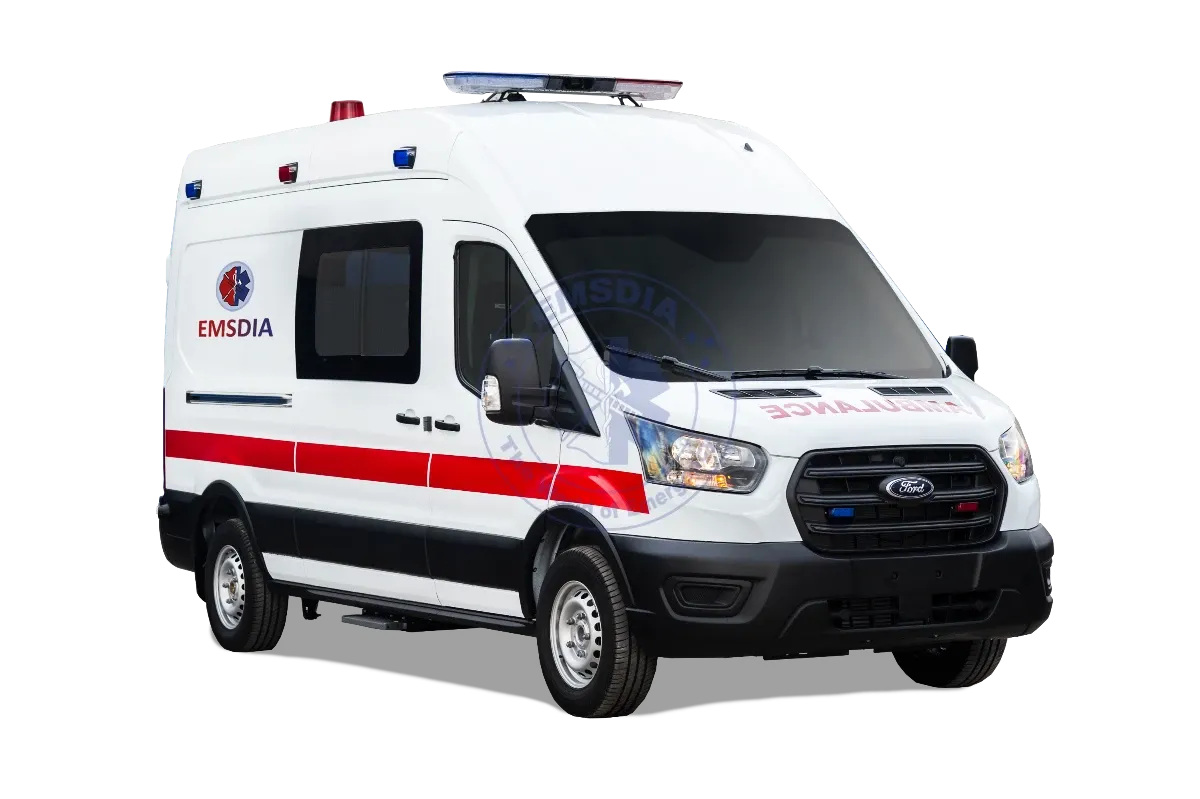 Ford Transit AmbulanceDetails →
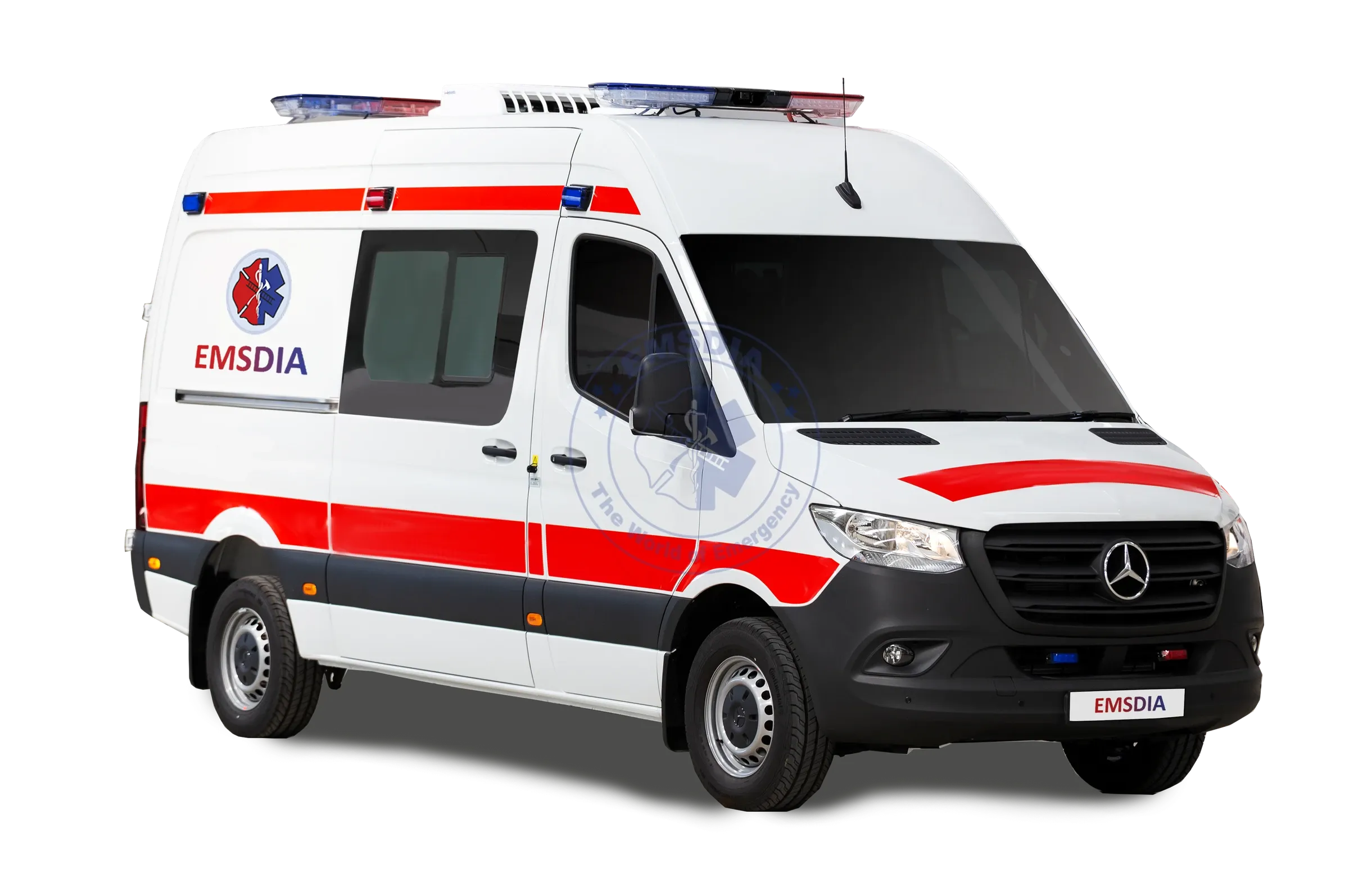 Mercedes-Benz Sprinter AmbulanceDetails →
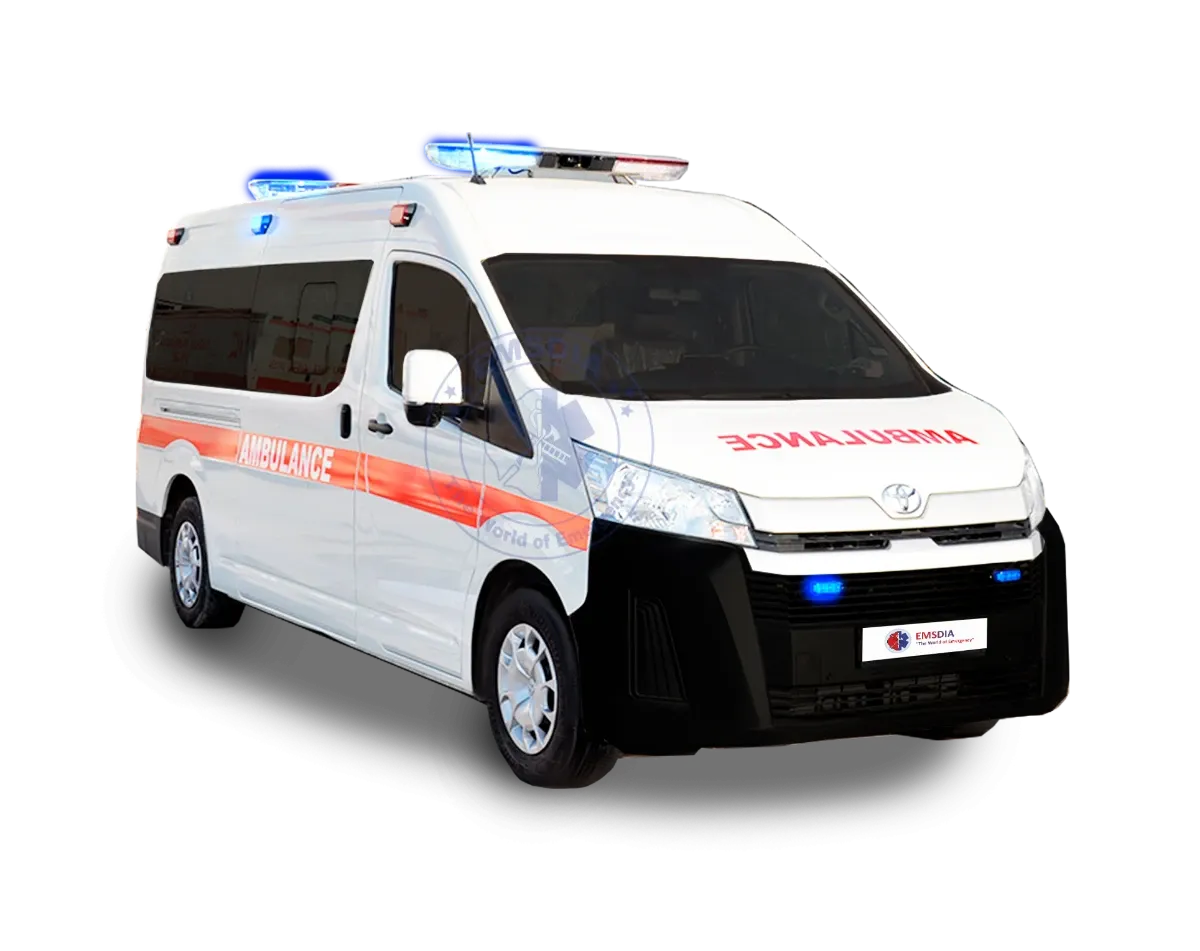 Toyota Hiace AmbulanceDetails →
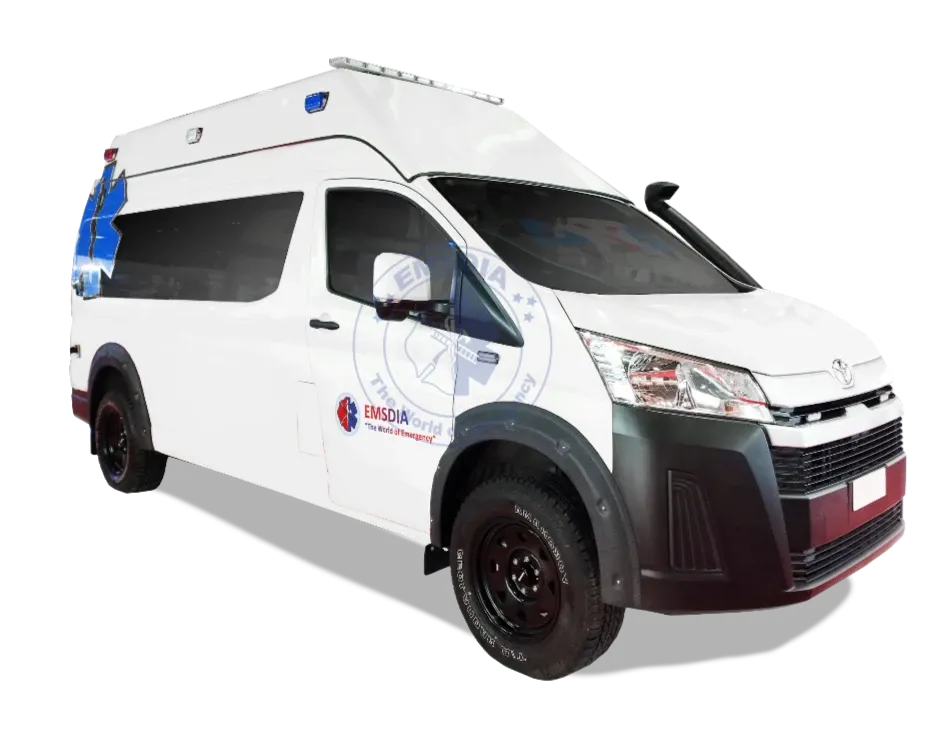 Toyota Hiace 4x4 AmbulanceDetails →
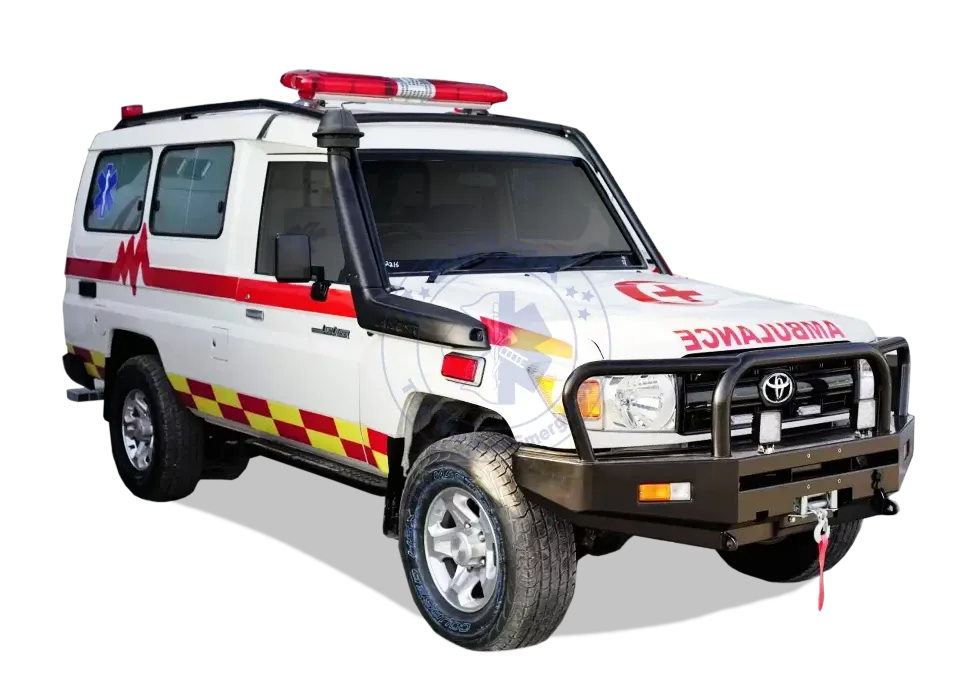 Toyota Land Cruiser AmbulanceDetails →
About The Author
This technical insight is curated by the Engineering Team at EMSDIA — the World of Emergency. As an international specialist in the development of high-tier ambulances, mobile clinics, and specialised rescue vehicles, we represent the EMSDIA approach: a holistic methodology focused on the Design, Integration, and Application of complex emergency and healthcare environments.
Our engineering begins where the standard chassis ends. We specialise in the electrical, mechanical, and digital integration of ambulance preparation platforms — from chassis-level power architecture to patient compartment design. By synchronising advanced medical devices with critical medical consumables and vehicle systems, we ensure that every unit is optimised for clinical precision and operational durability in the world’s most demanding healthcare missions.
EMSDIA: Transforming automotive foundations into synchronized life-saving ecosystems.